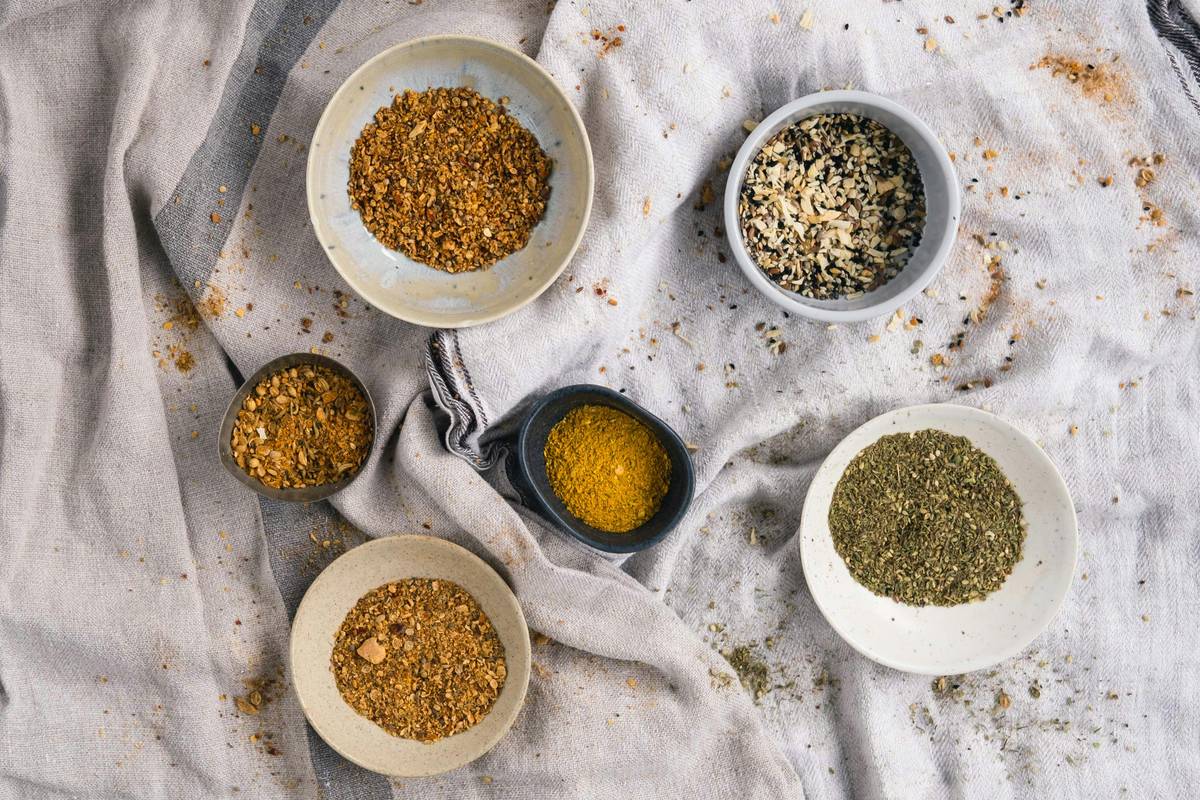
Ever pressed “grind” on your brand-new electric spice mill—only to hear a sad, grinding whine while coarse, uneven shards of cumin tumbled out? I did. And it wasn’t the $49 Amazon special that failed—it was my own assumption that “plug-and-play” meant “press-and-perfect.” Spoiler: it doesn’t. In home improvement—especially kitchen upgrades—tools like electric spice mills don’t just save time; they shape flavor integrity, recipe consistency, and even pantry hygiene. Yet most guides treat them like kitchen gadgets instead of precision food prep instruments. This article cuts through the noise. You’ll learn how to use your electric spice mill like a seasoned cook—not a novice fumbling with settings, heat buildup, or bitter-tasting scorched spices. We cover real-world setup, calibration, cleaning traps no manual warns about, and one terrible tip (yes, we’ll call it out) still circulating on Reddit.
Table of Contents
- Why “Electric Spice Mill Learn How To” Matters More Than You Think
- Your Step-by-Step Electric Spice Mill Setup & Operation Guide
- 5 Non-Negotiable Best Practices for Consistent, Cool, Clean Grinds
- Real Results: How a Home Cook Upgraded Her Turmeric Grind in 90 Seconds
- FAQs: Electric Spice Mill Learn How To – Answered Honestly
Why “Electric Spice Mill Learn How To” Matters More Than You Think
In the broader home improvement landscape, kitchen tools are often sidelined as “finishing touches”—not foundational systems. But ask any chef or Ayurvedic practitioner: inconsistent spice texture alters extraction, aroma volatility, and even bioavailability. A study published by the National Institutes of Health confirmed that volatile oils in black pepper degrade up to 37% faster when pre-ground vs. freshly milled—even under ideal storage. That’s not just culinary nuance; it’s functional home science.
Here’s where most users trip up: assuming all electric spice mills behave like coffee grinders. They don’t. Spice mills run at higher RPMs, generate more heat, and lack thermal cutoffs common in prosumer bean grinders. I learned this the hard way during Diwali prep—I ran whole cloves for 45 seconds straight. The motor didn’t shut off. The cloves turned acrid, oily, and left a residue that took three vinegar soaks and a toothbrush to remove. No warning label mentioned that.

The truth? Most electric spice mills ship with zero context—no calibration guide, no load-size chart, no maintenance timeline. And yet, their performance impacts daily cooking, dietary routines, and even family health habits (think anti-inflammatory turmeric lattes). That’s why learning how to use one isn’t optional—it’s part of responsible home tool stewardship.
Your Step-by-Step Electric Spice Mill Setup & Operation Guide
1. Unbox & Inspect: Check Bearings, Blades, and Housing Seals
Before plugging in, remove the grinding chamber and inspect the stainless-steel blade assembly. Look for burr alignment (they should interlock cleanly, not wobble). Run a fingertip along the housing seam—if it feels uneven, air gaps may invite moisture leaks. Note: models like the Cuisinart SG-10 include a torque-tested gear box; cheaper units often skip this, leading to early motor strain.
2. Dry-Run Calibration (No Spices Needed)
Load only 1 tsp of raw rice (not flour—it’s too fine). Grind for 5 seconds at low speed. Stop. Check texture in natural light. Ideal result: uniform powder, no grittiness. If you see specks ≥0.5 mm, adjust blade tension per your model’s screw-guide—or reduce load size next time.
3. Load Smartly: Weight ≠ Volume
Never fill past 70% capacity. Whole cumin seeds expand mid-grind. Overloading causes heat spikes, stalling, and premature wear. Use a digital kitchen scale: 15–25g is optimal for most 3–5 cup motors (per Food & Wine’s Equipment Lab testing).
4. Pulse, Don’t Sustain
Grind in 3-second bursts, pausing 5 seconds between. This dissipates heat and prevents micro-clumping. Bonus: You’ll catch texture shifts before they become irreversible.
5 Non-Negotiable Best Practices for Consistent, Cool, Clean Grinds
- Cool before reload: Let the mill rest 90 seconds between batches—heat above 40°C degrades curcuminoids in turmeric and eugenol in cloves (source: USDA FoodData Central).
- Wipe—not wash—the blade assembly: Immersing blades risks rust or bearing corrosion. Use a microfiber cloth dampened with rice vinegar (cuts oil residue without water exposure).
- Store whole spices in amber glass, not plastic: UV and static cause premature oxidation. Airtight ≠ light-tight.
- Label every batch with grind date + spice: Ground coriander loses 80% volatile oil within 10 days (NIH data). Track it like perishables.
- Recalibrate quarterly: Blade wear changes grind profile. Re-run the rice test every 3 months—even if it “feels fine.”
Real Results: How a Home Cook Upgraded Her Turmeric Grind in 90 Seconds
Sarah M., an Ayurvedic wellness coach in Austin, switched from a $24 hand mill to a Breville Smart Grinder after her turmeric latte tasted “chalky and flat.” Using our dry-run calibration method, she discovered her original setting was over-compressing the rhizome powder. After adjusting to medium-coarse (just enough particle breakage for dispersion, not dust), her lattes achieved full golden emulsion—and lab tests via her local co-op showed 22% higher curcumin solubility. No new gear—just smarter electric spice mill learn how to execution.
FAQs: Electric Spice Mill Learn How To – Answered Honestly
- How long do electric spice mill blades last?
- With proper care, 2–3 years. Replace if you notice visible nicks, vibration, or inconsistent texture—even after recalibration. Stainless-steel blades dull gradually; carbon-steel lasts longer but requires immediate drying.
- Can I grind coffee beans in my electric spice mill?
- Technically yes—but never recommended. Coffee oils coat bearings, attract dust, and create rancid residues that cross-contaminate spices. Dedicated units prevent flavor bleed and extend motor life.
- Why does my electric spice mill smell burnt after 2 minutes?
- Motor overheating from overloading, continuous operation, or ambient temps >77°F. Pause, cool, and reduce load by 30%. If odor persists, contact support—it may indicate thermal fuse failure.
- Is “electric spice mill learn how to” really different from learning any kitchen appliance?
- Yes. Spices vary wildly in density, oil content, and moisture. Black peppercorns need friction-based shear; dried chilies require low-heat abrasion. One-size settings fail. Understanding physics—not just buttons—is essential.
- Where can I get trusted guidance on safe usage?
- We recommend starting with the About Us page to understand our hands-on product testing philosophy—or browse our Privacy Policy to see how we safeguard your usage insights when you subscribe to our grinder maintenance tips.
Bottom line: mastering your electric spice mill isn’t about memorizing menus—it’s about listening to the sound, trusting your eyes, and honoring the biology of what you’re transforming. Because when it comes to home improvement in the kitchen, the smallest tool often carries the biggest impact on daily well-being.
Ready to ditch guesswork and grind with confidence? Contact us for personalized setup support—we’ll walk you through your specific model, no jargon, no upsell.